
Introduction
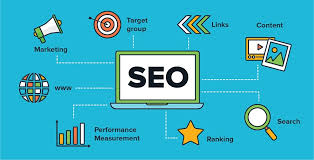
In today’s digital landscape, having a website is not enough. If your target audience cannot find your website on search engines, you’re missing valuable traffic, leads, and sales. how seo works This is where SEO comes into play.
Search Engine Optimization (SEO) is one of the most effective digital marketing strategies for increasing online visibility and attracting organic traffic. Whether you’re a blogger, business owner, or digital marketer, understanding SEO is essential for long-term online success.
In this guide, we’ll explain what SEO is, how it works, why it matters in 2026, and the key strategies you can use to improve your website’s search engine rankings.
> How SEO Works: The Process Behind Higher Ranking
Search engines like Google use complex algorithms to scan, understand, and rank websites. When someone types a query, Google crawls billions of pages and ranks them based on relevance, content quality, and authority. Simply put, the better your SEO, the higher your website appears in search results — bringing you more visibility, more clicks, and more organic traffic without spending a single rupee on ads.
What is SEO and how seo works?
SEO (Search Engine Optimization) is the process of optimizing a website to improve its visibility on search engines such as Google, Bing, and other search platforms in it on it
The goal of SEO is to help a website rank higher in search results when users search for relevant keywords and topics example ; how seo works
For example, if someone searches for “best digital marketing tips,” websites that have properly optimized content are more likely to appear on the first page of search results.
Higher rankings typically lead to:
-
- More website traffic and how seo works
-
- Increased brand awareness
-
- Better user engagement
-
- More leads and sales
Why is SEO Important and how seo works 2026?
As internet competition continues to grow, SEO has become more important than ever.
1. Increases Organic Traffic
Organic traffic refers to visitors who find your website through search engines without clicking on paid advertisements.
SEO helps attract highly targeted users who are actively searching for information, products, or services related to your business.
2. Builds Trust and Credibility
Users generally trust websites that appear at the top of search results.
When your website ranks higher, it signals authority and credibility within your industry.
3. Provides Long-Term Results
Unlike paid advertising, SEO can continue generating traffic long after content is published.
A well-optimized article can attract visitors for months or even years.
4. Improves User Experience
Modern SEO focuses heavily on user experience.
Search engines reward websites that offer:
-
- Fast loading speeds
-
- Mobile-friendly design
-
- Easy navigation
-
- High-quality content in
5. how seo works
When someone searches on Google, SEO is what decides whether your website shows up or not. The better your SEO, the higher you rank, and the more free traffic you gets.
How Do Search Engines Work?
Search engines use automated systems called crawlers or bots to discover and analyze web pages.
The process typically includes:
Crawling
Search engines scan websites and discover new content.
Indexing
The content is stored and organized in a massive database.
Ranking
Search engines evaluate hundreds of factors to determine which pages should appear first for specific searches.
The better your SEO, the higher your chances of ranking near the top of search results.
Types of SEO
1. On-Page SEO
On-page SEO involves optimizing elements directly on your website.
This includes:
-
- Keyword optimization
-
- Title tags
-
- Meta descriptions
-
- Heading structure
-
- Internal linking
-
- Image optimization
-
- Content quality
2. Off-Page SEO
Off-page SEO focuses on activities outside your website that improve authority and trust.
Examples include:
-
- Backlink building
-
- Brand mentions
-
- Social media engagement
-
- Guest posting
High-quality backlinks remain one of the strongest ranking factors.
3. Technical SEO
Technical SEO ensures search engines can efficiently crawl and index your website.
Key areas include:
-
- Website speed
-
- Mobile responsiveness
-
- HTTPS security
-
- XML sitemaps
-
- Structured data
-
- Crawlability
4. Local SEO
Local SEO helps businesses appear in location-based searches.
Examples include:
-
- “Digital marketing agency near me”
-
- “Best restaurant in Delhi”
Local SEO is essential for businesses serving specific geographic areas.
Important SEO Ranking Factors in 2026
Search engine algorithms continue evolving, but several factors remain important:
High-Quality Content
Content should be:
-
- Informative
-
- Accurate
-
- Helpful
-
- Well-structured
-
- Updated regularly
Search Intent Optimization
Content should match what users are actually looking for.
Understanding user intent is now a major ranking factor.
Website Speed
Slow websites can negatively impact rankings and user experience.
Mobile Optimization
Most searches occur on mobile devices, making mobile responsiveness essential.
User Experience (UX)
Search engines favor websites that provide a positive browsing experience.
Backlinks
Links from reputable websites signal authority and trustworthiness.
E-E-A-T
Modern SEO emphasizes:
-
- Experience
-
- Expertise
-
- Authoritativeness
-
- Trustworthiness
Demonstrating these qualities helps improve rankings.
Best SEO Practices for Beginners
If you’re new to SEO, start with these fundamental strategies:
Conduct Keyword Research
Identify the terms your audience is searching for and create content around those topics.
Create Valuable Content
Focus on solving problems and answering user questions.
Optimize Titles and Meta Descriptions
These elements influence click-through rates from search results.
Use Internal Links
Link related pages together to improve navigation and SEO.
Optimize Images
Compress images and use descriptive alt text.
Build Quality Backlinks
Earn links naturally through valuable content and outreach.
Monitor Performance
Track rankings, traffic, and user behavior to identify opportunities for improvement.
Common SEO Mistakes to Avoid
Many beginners make SEO mistakes that can hurt rankings.
Avoid:
-
- Keyword stuffing
-
- Duplicate content
-
- Poor website speed
-
- Ignoring mobile users
-
- Buying low-quality backlinks
-
- Publishing thin content
-
- Neglecting technical SEO
Focusing on user value is often the best SEO strategy.
The Future of SEO
SEO continues to evolve with advancements in artificial intelligence and search technology.
In 2026 and beyond, successful SEO strategies will focus on:
-
- Helpful content
-
- User experience
-
- AI-assisted optimization
-
- Voice search readiness
-
- Semantic search
-
- Brand authority
Businesses that adapt to these changes will remain competitive in search results.
Conclusion
SEO is one of the most powerful digital marketing strategies available today. It helps businesses increase visibility, attract qualified traffic, build credibility, and achieve sustainable long-term growth.
Whether you’re running a blog, an eCommerce store, or a business website, investing in SEO can significantly improve your online presence and help you reach your target audience more effectively.
By understanding SEO fundamentals and implementing best practices, you can build a strong foundation for long-term digital success.